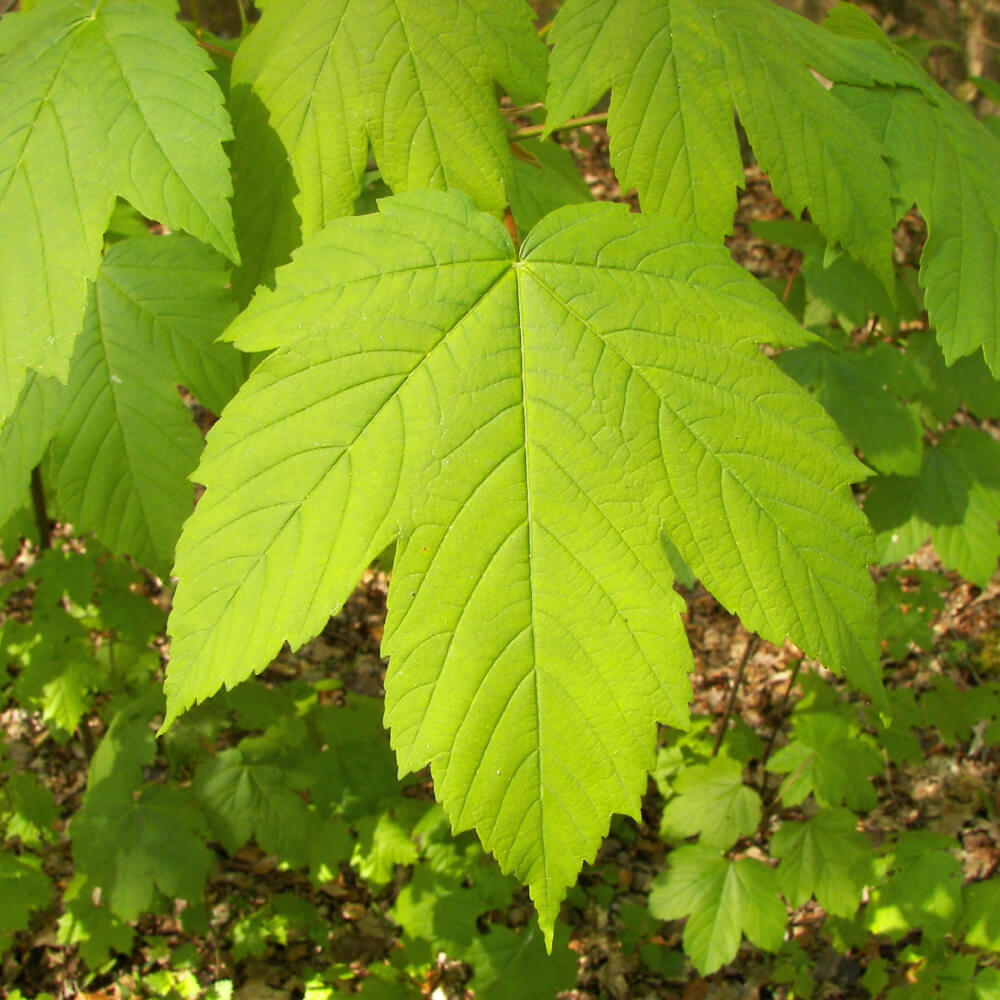
Tamarisk (Tamarix)
Botanical Information
- Tamarisk trees belong to the Tamaricaceae family.
- They are widespread around the Mediterranean basin, in Asia, and the Caucasus. In Armenia, they are especially found along riverbanks.
- They typically reach a height of 3–6 meters, although some species can grow taller.
Characteristics
- Highly resistant to dry conditions and capable of growing in soils where other trees struggle.
- Thrives in hot and arid climates, commonly found in saline or drought-prone areas.
- Tamarisk leaves are small and elongated, and some species produce tiny pink flowers.
- Grows relatively quickly and has a strong root system that protects soil from wind erosion.
Uses
- Soil stabilization: Tamarisk trees are used for environmental protection, preventing sand movement and reducing soil erosion.
- Water purification: Tamarisk can help remove harmful substances from water and can act as a natural filtration plant.
- Medicinal uses: Flowers, leaves, and bark of tamarisk are used in traditional remedies for various ailments.
Relevance for Armenia
- Tamarisk trees are important around rivers and lakes, helping prevent soil erosion and maintain soil structure.
- Well-suited for extreme conditions, especially hot and dry areas, such as the surroundings of the Ararat plain.
- Can also be used in parks and urban landscaping as a resilient and drought-tolerant tree.