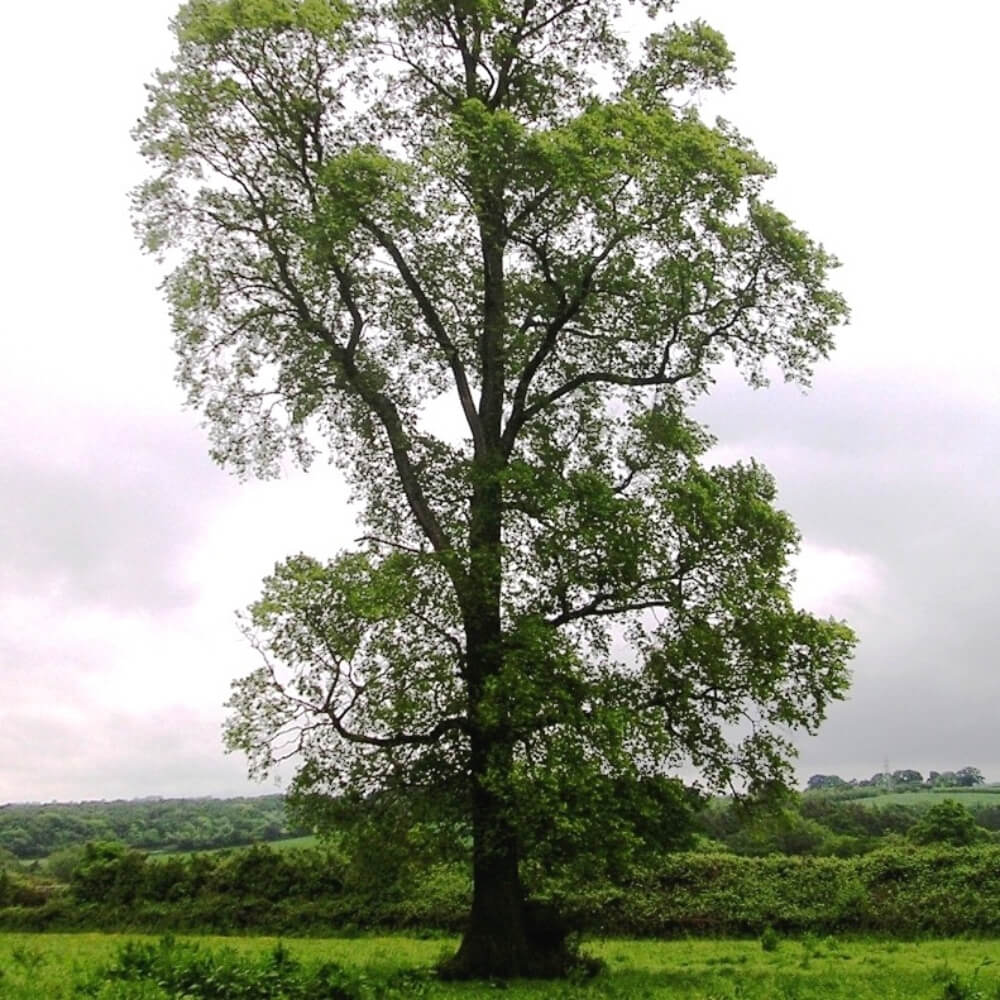
Traditional Knowledge and Botany
- Maple trees belong to the Aceraceae family and include numerous species that differ in height and morphological (geometrical) characteristics.
- Their features vary depending on the species. In Armenia, the most common species are field maple (Acer campestre) and Nicomedian maple (Acer nicomedia).
- Maple trees can grow up to 20–30 meters in height. In this region, they are considered particularly suitable for mountainous and subalpine areas.
Characteristics
- Maple trees are well known for their remarkable ornamental beauty. They grow relatively fast and adapt well to diverse environmental conditions.
- Maple leaves have a large surface area and a distinctive lobed shape with pronounced margins, which helps reduce air pollution.
- Maples tolerate cold climates well and thrive in mountainous regions. Their leaves effectively absorb CO₂ and release O₂, contributing to improved air quality.
Uses
- Maple trees are widely used for decorative purposes, including horticulture, landscape design, and garden planning. Their environmental protective role is important for maintaining ecological balance, including water and energy conservation.
- Maples are also used as medicinal plants. For example, maple bark is very dense and has been traditionally used to treat skin and joint conditions.
Suitability for Yerevan and Armenia
- It is not intended for urban landscaping and is not planted within city areas.
- It is more useful as a tree that produces fresh air, meaning it has a high oxygen output and contributes to air purification.
- It is found in the high-mountain and mid-altitude zones of Armenia and is especially important in mountainous parks.