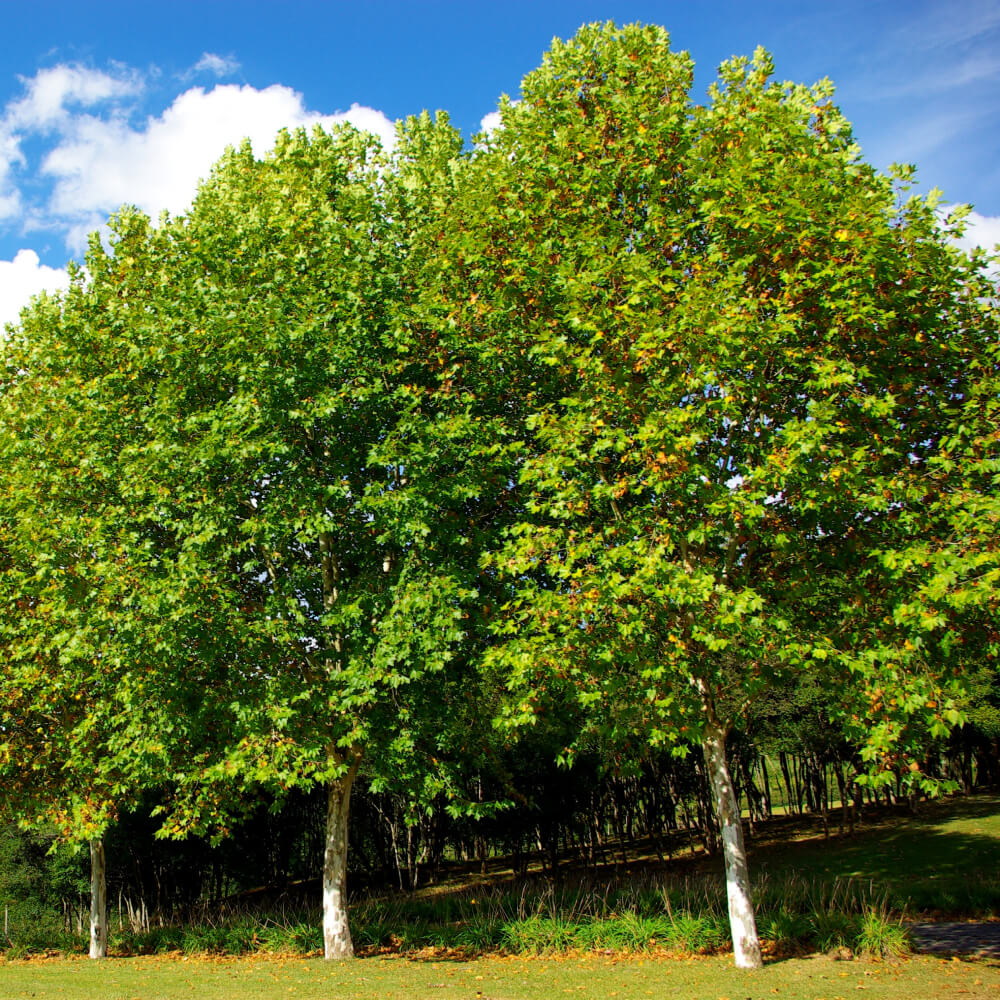
Traditional Knowledge and Botany
- Poplar (Populus) is a fast-growing and widely distributed tree belonging to the Salicaceae family (willow family).
- It includes many species, such as white poplar (Populus alba), black poplar (Populus nigra), and others.
- Poplar trees can reach heights of 30–40 meters, and their leaves are broad, often with lobed or divided shapes.
Characteristics
- Poplars are well known for their rapid growth. Most species can grow up to 3–4 meters per year.
- One of their most important characteristics is their high water absorption capacity and air purification ability. They consume large amounts of water, contributing to environmental regulation and cleaner air.
- Poplars are widely regarded as high oxygen-producing trees. Their large leaf surface area allows them to absorb significant amounts of CO₂.
Uses
- Poplars are often used as natural water filters and for environmental remediation. They help regulate river water levels due to their high water demand.
- Additionally, they are widely used as ornamental trees in cities, parks, and public green spaces.
Suitability for Yerevan and Armenia
- Poplars are particularly important in areas with high air pollution levels. In urban parks and recreational areas, they provide shade, which is especially beneficial during summer.
- In mountainous regions of Armenia and along riverbanks, poplars can effectively serve reforestation, soil stabilization, and ecological restoration purposes.